When choosing mixing equipment for concrete, refractory materials, or high-performance construction materials, selecting between a planetary mixer and a twin-shaft mixer is critical. Both serve the core purpose of mixing materials but differ significantly in structure, mixing principle, and application scenarios. This article breaks down their key differences to help you make an informed decision and introduces CO-NELE, a professional planetary mixer manufacturer, that provides reliable industrial mixing equipment solutions.
Core Structural Differences: Vertical vs Horizontal Design
The most obvious difference between the two mixers lies in their structural layout, which directly impacts mixing performance.
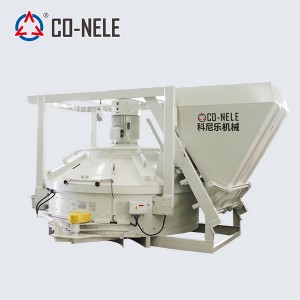
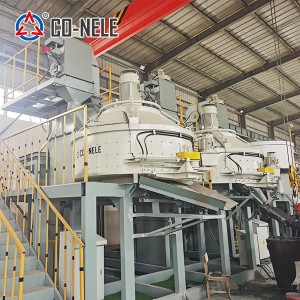
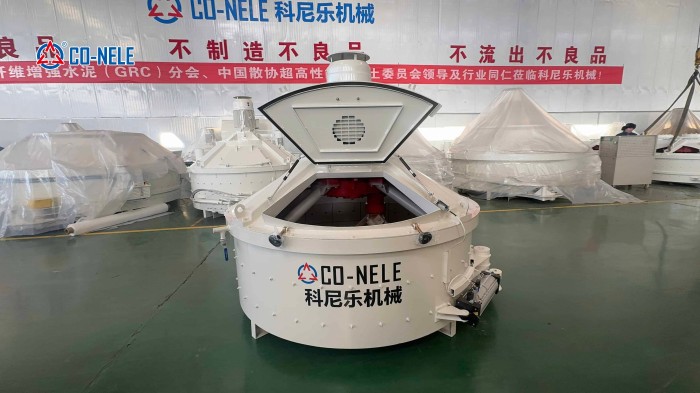
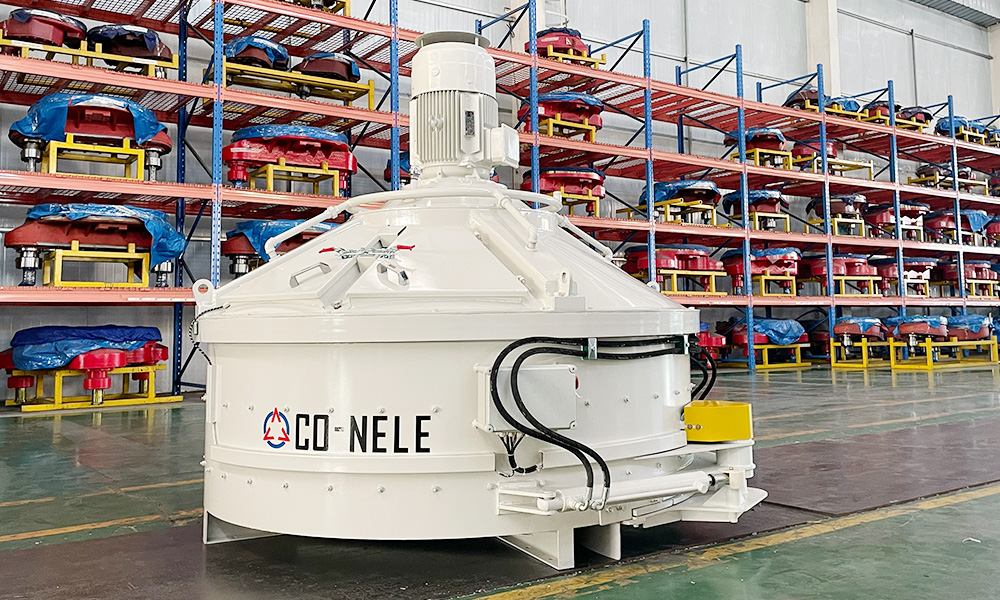
Adopts a vertical structure with a single vertical main shaft. Its fixed mixing pan and mixing arms perform revolution (around the central shaft) and rotation (on their own axis), eliminating mixing dead angles. Widely used in high-precision mixing scenarios such as UHPC production and refractory material mixing.
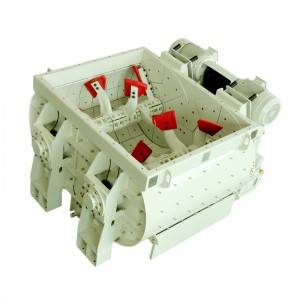
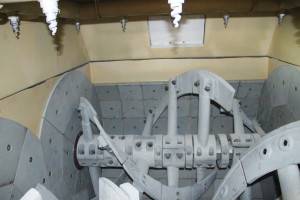
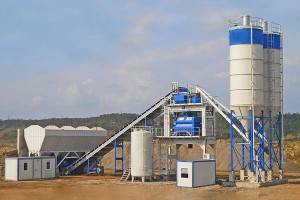
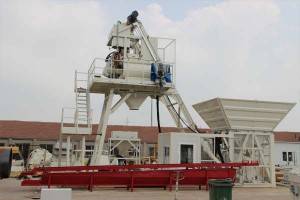
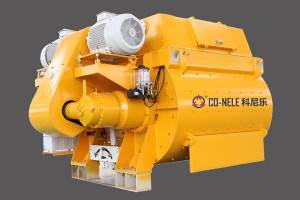
Features a horizontal structure with two parallel horizontal shafts rotating towards each other. Its trough-type mixing tank relies on shaft blades to push materials, but has obvious dead angles at shaft ends, tank corners, and shaft gaps, which affects mixing uniformity.
Mixing Principle: 3D Composite Motion vs Plane Convection
The mixing principle is the core difference determining mixing effect.
Adopts 3D composite motion (revolution + rotation + high-speed cutter shearing). This multi-directional motion forms three-dimensional turbulence, ensuring full mixing of all material components. CO-NELE planetary mixers achieve a mixing uniformity (CV value) of 0.3%–0.8%, far exceeding industry averages and preventing segregation or agglomeration.
Relies solely on the opposite rotation of two horizontal shafts for plane convection, with a simple mixing trajectory. It struggles to uniformly mix fine powder, fiber materials, or high-viscosity materials, and its CV value is usually between 3%–8%.
Application Scenarios: High-Performance vs General-Purpose
Ideal for high-precision, high-performance materials, including UHPC, fiber-reinforced concrete, refractory materials, ceramic raw materials, dry-mix mortar, and new materials. Widely used in precast component factories, refractory production lines, and new material manufacturing facilities.
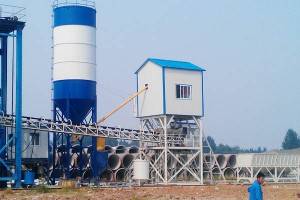
With a simple structure and low cost, it is only suitable for ordinary commercial concrete and conventional sand-aggregate concrete. Mainly used in commercial concrete mixing stations and ordinary civil engineering projects.
Key Performance Comparison
| Performance Indicator | Planetary Mixer (CO-NELE) | Twin-Shaft Mixer |
|---|---|---|
| Mixing Uniformity (CV Value) | 0.3%–0.8% (high precision) – high-uniformity mixing equipment | 3%–8% (general precision) |
| Mixing Dead Angles | Zero dead angles, full coverage – no need for dead angle solutions | Obvious dead angles at shaft ends and tank corners |
| Energy Consumption | Energy-saving, high effective work ratio – low-energy planetary mixer | High ineffective power consumption |
| Material Residue | Minimal residue, clean discharge – low-residue planetary mixer | Large residue, easy cross-contamination |
| Maintenance Cost | Few vulnerable parts, low maintenance cost – lower than twin-shaft mixer maintenance cost | Many vulnerable parts, frequent spare parts replacement – twin-shaft mixer spare parts |
CO-NELE Planetary Mixer: Your Reliable Partner
As a trusted CO-NELE mixer manufacturer, we specialize in the R&D and production of industrial mixing equipment. Our planetary mixers, featuring high-speed cutters and 3D composite mixing technology, offer customization services (planetary mixer customization service) to meet diverse needs. They are the first choice for high-end mixing scenarios, especially for industrial mixers used with high-viscosity materials.
The core difference between a planetary mixer and a twin-shaft mixer lies in their mixing principle and structural design. Choose a planetary mixer (considering planetary mixer price) for high-performance, high-precision material mixing; opt for a twin-shaft mixer for ordinary commercial concrete and cost control. Contact CO-NELE for customized solutions and high-quality equipment.
Post time: Apr-20-2026